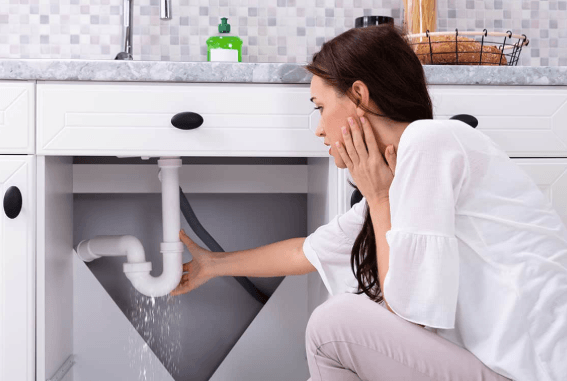
Smart plumbing uses real-time telemetry and modular components to reduce water use. It detects leaks, predicts needs, and automates precise control of fixtures and irrigation. Data-driven analytics reveal anomalies and guide rapid isolation of wasteful flows. Zone-based irrigation and weather-aware adjustments align watering with actual demand. The system emphasizes durability, automated health checks, and scalable manifolds for growth, offering ongoing efficiency gains—yet practical implementation details remain to be clarified.
What Smart Plumbing Is and Why It Saves Water
Smart plumbing refers to plumbing systems and devices that automatically monitor, control, and optimize water use. It integrates smart water sensing to detect usage patterns and abnormal flow, enabling precise adjustments.
The architecture supports predictive maintenance, reducing downtime and extending asset life.
Data-driven insights empower facilities to target efficiency gains, quantify savings, and justify investment in automated, resilient water-management infrastructure.
Detect and Stop Leaks Before They Waste Water
Detecting and stopping leaks early is essential to minimize water waste and protect system integrity. The approach emphasizes continuous monitoring, anomaly detection, and rapid isolation to reduce total volume loss. Implementations rely on real-time telemetry, pressure profiling, and valve automation. Outcomes include enhanced water accountability and reduced utility costs, with measurable improvements in system reliability and resource stewardship.
See also: The Rise of Cryptocurrency in Modern Finance
Smart Fixtures and Irrigation for Everyday Efficiency
Smart fixtures and irrigation systems optimize water use by aligning consumption with actual demand through sensor-driven control, zone-based scheduling, and weather-aware adjustments.
The approach relies on smart sensors and irrigation timers to monitor soil moisture, evapotranspiration, and run times, reducing waste.
Data-driven feedback informs maintenance, while autonomous calibration supports freedom-loving users seeking reliable, efficient, low-friction performance.
Build a Future-Proof, Low-Maintenance System
A future-proof, low-maintenance plumbing system integrates durable components, modular architecture, and automated health checks to sustain performance with minimal user input. It leverages smart materials to tolerate wear, corrosion, and pressure fluctuations, reducing service intervals.
Future proofing emphasizes scalable manifolds and interchangeable modules. System health data informs proactive maintenance, enabling predictable operation while preserving user autonomy and steady water efficiency gains.
Conclusion
In the dim quiet of the utility room, sensors whisper—flow graphs pulsate, anomalies blink into focus. A valve shifts, isolating a hidden drip before it becomes a flood. Data funnels through dashboards, translating into actionable maintenance and precise irrigation schedules. Rooms stay comfortable, meters glide downward. Yet the system remains vigilant, awaiting the next irregularity or weather shift. The plot advances with every cycle: detect, adapt, conserve, repeat—until water waste is arrested at the source.